Free Shipping on Orders over $75
★
Free Lion's Mane Gummies on Orders Over $150!
★


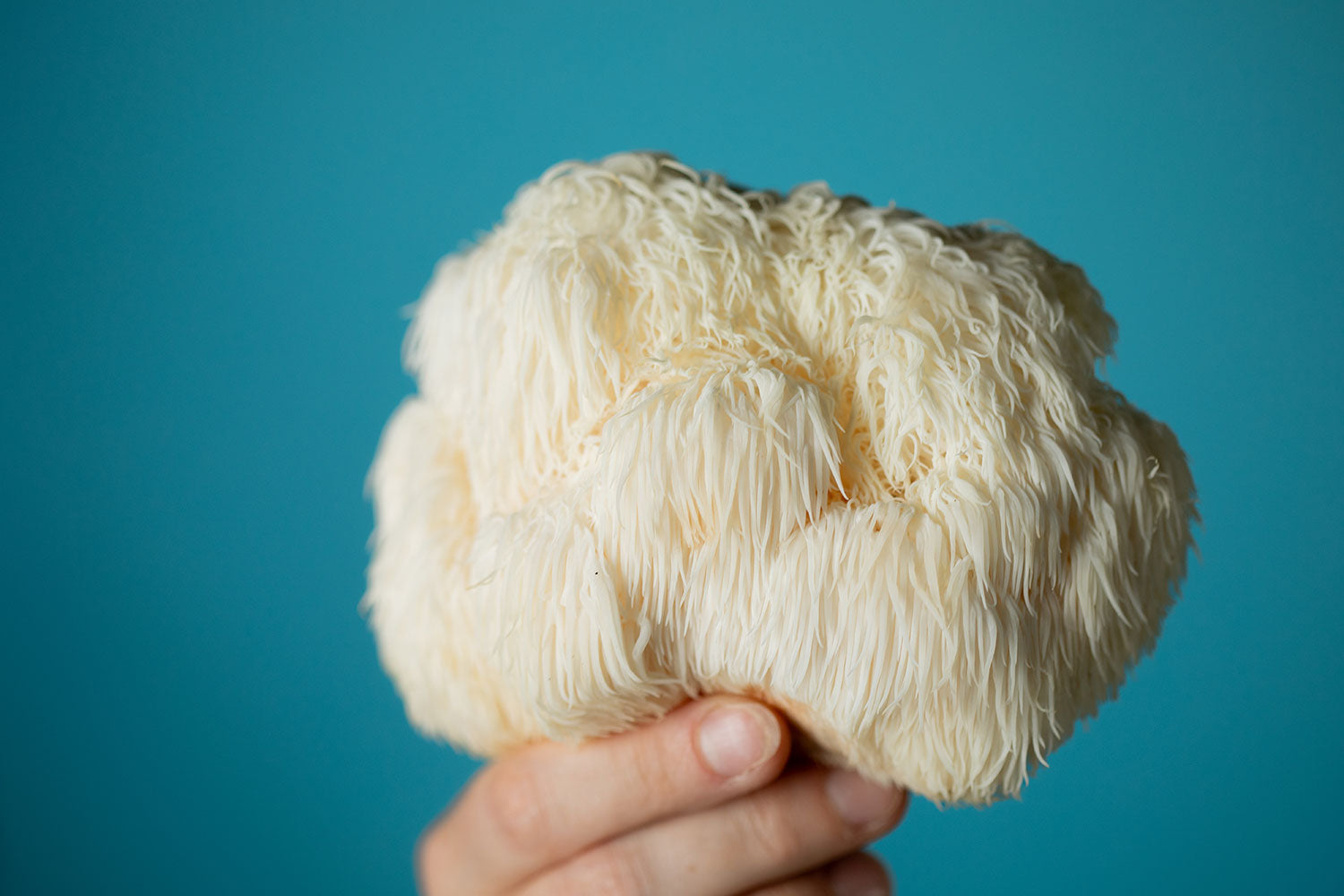
Beta-Glucans Explained: Why They Matter in Mushroom Supplements
7 minute read
If you've ever wondered why one mushroom supplement makes a noticeable difference and another does nothing, the answer usually comes down to beta-glucans. These naturally occurring polysaccharides are the primary bioactive compounds responsible for most of the health benefits attributed to functional mushrooms. Understanding what beta-glucans are — how they're tested, why they're misrepresented, and how to verify them — is the single most useful thing you can learn as a functional mushroom consumer.
What are beta-glucans?
Beta-glucans (beta-1,3/1,6-D-glucans) are complex polysaccharides found in the cell walls of fungi, certain grains, and bacteria. In functional mushrooms, they are the key structural and bioactive component. Unlike the starchy alpha-glucans found in grains, beta-glucans from mushrooms have a unique molecular structure that the immune system recognizes and responds to.
They are not vitamins or minerals. They are biological response modifiers — compounds that interact with specific immune receptors, signal cells to activate, and help regulate the body's natural defense mechanisms.*
* These statements have not been evaluated by the FDA. This product is not intended to diagnose, treat, cure, or prevent any disease.
Alpha-glucans vs beta-glucans: the distinction that changes everything
This is the most important — and most exploited — distinction in the mushroom supplement industry. Both alpha-glucans and beta-glucans are polysaccharides (chains of sugar molecules), but they behave completely differently in the body.
|
Alpha-Glucans |
Beta-Glucans |
|
|
Primary source |
Grains (rice, oats, corn) |
Mushroom cell walls |
|
Molecular structure |
Alpha-1,4 glycosidic bonds |
Beta-1,3/1,6 glycosidic bonds |
|
Immune receptor activity |
None |
Activates Dectin-1, TLR-2 |
|
Bioactive? |
No — used for energy (starch) |
Yes — primary active compound |
|
Appears in polysaccharide tests? |
Yes |
Yes |
|
Appears in beta-glucan-specific tests? |
No |
Yes |
The problem: most standard polysaccharide tests measure all polysaccharides — alpha AND beta. In a mycelium-on-grain (MOG) product, grain starch inflates the polysaccharide total while the actual beta-glucan content remains low. A product can claim 40% polysaccharides while delivering as little as 5–10% beta-glucans.
This is why beta-glucan % is the only meaningful potency marker for mushroom supplements. A disclosed polysaccharide % without a corresponding beta-glucan % tells you very little about what's actually in the capsule.
How do beta-glucans work in the body?
Beta-glucans are recognized by specific receptors on immune cells, most notably Dectin-1 receptors on macrophages and dendritic cells. When beta-glucans bind to these receptors, they trigger a signalling cascade that activates natural killer (NK) cells, T-cells, and macrophages. A 2021 review in Nutrients confirmed that beta-glucans activate multiple arms of the immune system, enhancing both innate and adaptive immunity.*
This interaction is what's behind most of the immune support research on mushrooms. Beta-glucans don't suppress the immune system — they prime and modulate it, which is why they're studied in both immune deficiency contexts and inflammatory ones.
How extraction method affects beta-glucan content
Not all extraction processes preserve beta-glucans equally. The method used to extract mushroom compounds significantly affects what ends up in the final product.
-
Hot water extraction (decoction): The gold standard for beta-glucan preservation. Beta-glucans are water-soluble polysaccharides and dissolve readily in hot water. Traditional mushroom preparations — teas, broths, decoctions — have used this method for centuries. Most quality capsule and powder supplements use hot water extraction.
-
Alcohol (ethanol) extraction: Primarily captures non-water-soluble compounds like triterpenoids and sterols. Reishi is the primary species where this matters — its triterpenes contribute significantly to adaptogenic and anti-inflammatory properties. Alcohol extraction alone does not extract beta-glucans well.
-
Dual extraction: Uses both hot water and alcohol sequentially. Captures the full spectrum of compounds from species like Reishi. More expensive and time-intensive, but produces a more complete extract.
-
Raw mushroom powder (unextracted): Minimal bioavailability. Mushroom cell walls are made of chitin — a tough material the human digestive system cannot break down efficiently without extraction. Raw powder provides far less bioavailable beta-glucan than extracted equivalents.
Stay Wyld uses hot water extraction as the foundation for all products, with dual extraction applied to Reishi for full triterpene capture.
The 4 evidence-backed benefits of beta-glucans from mushrooms

1. Immune system support
The most well-studied benefit of mushroom beta-glucans is immune modulation. A landmark study in PMC demonstrated that mushroom-derived beta-glucans activate and amplify immune cell activity, including protection against common infections.* Turkey Tail's PSK (polysaccharide-K) has been studied extensively in cancer adjunct therapy in Japan and Asia.*
2. Heart health support
Beta-glucans have been studied for cardiovascular health, particularly in relation to cholesterol. A 2020 study in Nutrients found that beta-glucan supplementation supports healthy cholesterol levels.* Shiitake's Lentinan — a specific beta-1,3-glucan — has shown particularly strong cardiovascular support in research.*
3. Cancer research (adjunct support)
Beta-glucans from Turkey Tail and Reishi have been studied in cancer-adjunct contexts. A 2019 review in Anticancer Research confirmed beta-glucan cancer-fighting potential, including reductions in tumor activity and immune support during treatment.* This is adjunct research — beta-glucans are not a cancer treatment — but the findings have driven formal clinical trials in several countries.
4. Gut health and the microbiome
Beta-glucans act as prebiotic fiber, feeding beneficial gut bacteria and supporting microbiome diversity.* The gut-immune axis is well-established — a healthy microbiome supports more effective immune response. Turkey Tail's PSK and PSP polysaccharides have shown particular promise in gut microbiome support.
* These statements have not been evaluated by the FDA. This product is not intended to diagnose, treat, cure, or prevent any disease.
Which mushrooms have the highest beta-glucan content?
|
Mushroom Species |
Primary Beta-Glucan Type |
Typical Range (Fruiting Body) |
Key Research Use |
|
Turkey Tail |
PSK, PSP |
30–40%+ |
Immune, cancer adjunct |
|
Reishi |
Beta-1,3-glucan + triterpenes |
25–35%+ |
Stress, sleep, immune |
|
Chaga |
Beta-1,3/1,6-glucan |
20–35%+ |
Antioxidant, immune |
|
Lion's Mane |
Beta-1,3-glucan |
20–30%+ |
Cognitive, nerve repair |
|
Cordyceps |
Beta-glucan, cordycepin |
15–25%+ |
Energy, endurance |
|
Shiitake |
Lentinan (beta-1,3-glucan) |
25–40%+ |
Immune, heart health |
|
Maitake |
D-fraction (beta-1,6-glucan) |
20–35%+ |
Metabolic, immune |
These ranges reflect quality fruiting body extracts. MOG products typically test 5–15% for actual beta-glucans when measured with species-specific assays.
How to verify beta-glucan content: understanding a Certificate of Analysis

A Certificate of Analysis (CoA) is a document from a third-party lab that verifies what's actually in a supplement. For mushroom supplements, it should include beta-glucan content measured using the AOAC-approved Megazyme method — the gold standard for accurate beta-glucan quantification that differentiates mushroom beta-glucans from grain starch alpha-glucans.
When reviewing a CoA for a mushroom supplement, look for:
-
Beta-glucan % listed per species — not just total polysaccharides
-
The testing methodology identified (Megazyme or equivalent validated assay)
-
Third-party lab name — not an in-house test
-
Heavy metal screening — lead, arsenic, mercury, cadmium
-
Microbial testing — total plate count, yeast, mould, E. coli, Salmonella
-
Pesticide residue testing — especially for imported products
Stay Wyld makes CoA results available upon request. We test every batch at a third-party Canadian lab. We also publish our beta-glucan content on product pages so you don't have to ask.
How Stay Wyld discloses and verifies beta-glucan levels
Transparency on beta-glucan content is something most brands avoid. At Stay Wyld, it's standard practice. Every product is third-party tested in Canada for beta-glucan concentration using validated assays. We publish the results because we believe you have the right to know what you're paying for.
Our fruiting body extracts consistently test above 20% beta-glucans, with several products exceeding 30%. When you see those numbers, you can compare them directly to competing products — and the gap is typically significant.
Want to understand exactly how to read a supplement label before buying? Our article on Mycelium vs Fruiting Body: What Science Actually Says covers what to look for and what to watch out for in detail.
Frequently asked questions about beta-glucans
Are beta-glucans the same in all mushrooms?
No. Different mushroom species contain different types of beta-glucans with distinct molecular structures and biological activities. Turkey Tail's PSK, Reishi's beta-1,3-glucan, and Maitake's D-fraction each have unique research profiles. That's why blended formulations can offer complementary immune support that single-species products can't.
Can you get enough beta-glucans from eating culinary mushrooms?
Culinary mushrooms do contain beta-glucans, but in lower concentrations than extracted supplements — and their chitin cell walls limit bioavailability unless cooked or processed. To match doses used in clinical studies, you'd need to consume significant quantities daily. Supplements with standardized beta-glucan content offer a more practical and consistent therapeutic dose.
What is a good beta-glucan dose?
Clinical studies use a wide range. Most human trials use between 500mg and 3g of mushroom extract daily, standardized to a specific beta-glucan percentage. A daily supplement with 20–30% beta-glucans at a 500–1000mg dose per species is generally in a meaningful therapeutic range for immune support.
Are beta-glucans safe to take long-term?
Mushroom beta-glucans have a strong long-term safety profile in the literature. They are well-tolerated at standard supplement doses. If you are immunocompromised, on organ transplant medications, or have an autoimmune condition, consult your doctor before supplementing, as immune modulation can interact with some treatments.
How do I know if my supplement has real beta-glucans?
Ask the brand for a Certificate of Analysis showing beta-glucan content (not just polysaccharides) measured by a third-party lab using the Megazyme or equivalent validated assay. Quality brands will provide this without hesitation. Stay Wyld publishes beta-glucan content on every product page and provides CoAs on request.
Why do some labels list polysaccharides instead of beta-glucans?
Because polysaccharide % is easier to inflate — especially in mycelium-on-grain products where grain starch adds to the total. A brand reporting only polysaccharide % without specifying beta-glucan % is either unable or unwilling to verify their actual active compound content. Treat this as a significant quality signal.
"Most mushroom brands don't show beta-glucan levels. We do — because it's the only honest way to sell functional mushrooms." — Stay Wyld Organics
Ready to experience the difference real beta-glucan content makes?
→ Shop Lion's Mane + Daily Immunity 5-Blend — Third-Party Tested in Canada
Leave a comment
All comments are moderated before being published.