Free Shipping on Orders over $75
★
Free Lion's Mane Gummies on Orders Over $150!
★


Your Guide to Mushroom Drink Ingredients
6 minute read
A mushroom drink can look like a simple coffee swap or afternoon energy boost. The label tells the real story. This guide to mushroom drink ingredients breaks down what belongs in a functional formula, what each ingredient is there to do, and how to choose a drink that supports clean performance instead of adding more noise to your routine.
Start With the Mushroom and the Outcome
Functional mushrooms are not all interchangeable. Each species has its own profile, and the best mushroom drinks make that role easy to understand. If a formula throws five or six mushrooms into a proprietary blend without amounts, it may sound impressive, but it is harder to know what you are actually getting.
A benefit-first formula is usually easier to shop. Think Lion's Mane for focus support, Cordyceps for clean stamina, Reishi for stress support, Chaga for antioxidant-rich daily wellness, and Turkey Tail for immune support. One mushroom, one job creates a clearer decision: choose the benefit that matches the moment.
That does not mean blends are automatically bad. A well-designed blend can make sense when its ingredients have a clear purpose and transparent doses. Still, if your goal is sharper attention during a work block or sustained energy before training, a formula centered on the mushroom most aligned with that outcome is often the more direct choice.
Lion's Mane for Focus-Forward Formulas
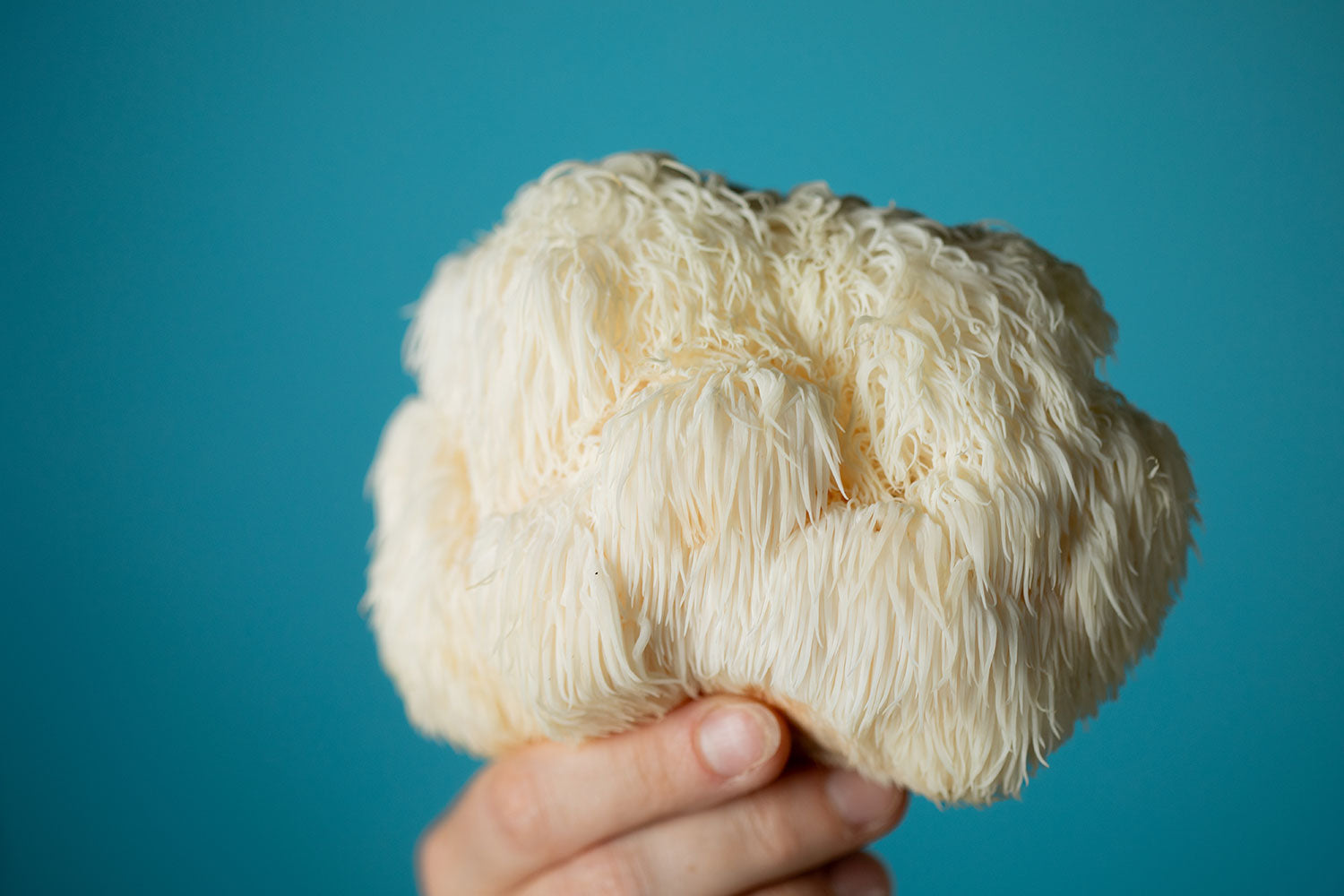
Lion's Mane is the mushroom most often associated with cognitive support. You will see it in coffee alternatives, matcha drinks, and nootropic-style energy formulas designed for calmer, more deliberate attention. It is not a stimulant, so its role is different from caffeine. Think of it as support for the focus side of the equation, while caffeine, if included, supplies the immediate lift.
For people who get jittery from high-stimulant drinks, Lion's Mane can be especially appealing in a lower-caffeine or caffeine-free format. Results vary, and it is not a replacement for sleep, food, or a reasonable workload. But it fits naturally into a daily routine built around mental performance.
Cordyceps for Clean Stamina
Cordyceps shows up in pre-workout-adjacent drinks, energy powders, and active lifestyle formulas. It is commonly chosen for endurance and energy metabolism support. The appeal is simple: energy that feels more steady than a hard caffeine spike.
A Cordyceps drink can still contain caffeine. The key is to see caffeine as one part of the formula rather than the whole strategy. Cordyceps may complement your training, long shift, or outdoor day, while the caffeine level determines how stimulating the drink feels right away.
Reishi, Chaga, and Turkey Tail for Daily Resilience
Reishi is often used in evening blends or stress-support drinks because it is associated with a calmer, more balanced feel. Chaga is valued for its antioxidant content and makes sense in broad daily wellness formulas. Turkey Tail is usually positioned around immune support and can be a practical option during high-demand seasons.
The timing matters. A Reishi blend may be better after work than before a presentation. A Cordyceps drink may fit before a workout more naturally than before bed. Functional ingredients work best when the benefit, dose, and occasion all line up.
Mushroom Drink Ingredients That Signal Quality
The mushroom name on the front of the package is only the beginning. Turn the container around and look at the full ingredient panel. The strongest formulas are usually transparent, intentional, and short on filler.
Fruiting Body, Mycelium, and Extracts
Mushrooms have several usable parts, and labels may describe fruiting body, mycelium, or mushroom extract. Fruiting bodies are the recognizable above-ground portion of the mushroom. Mycelium is the thread-like root structure that grows through a substrate. Both can be used in supplements, but the source and processing method matter.
Extracts are concentrated preparations made to draw out specific mushroom compounds. Water extraction is commonly used for beta-glucans, while dual extraction may use water and alcohol to capture a broader range of compounds. A drink does not need to advertise every extraction detail to be worthwhile, but brands should be able to clearly explain what they use.
Beta-glucans are a useful quality marker to watch for, particularly in immune-focused mushroom products. Be cautious with labels that highlight vague terms like “mushroom complex” but do not identify the species, source, or amount. Transparency beats mystery marketing every time.
Organic Ingredients and Third-Party Testing
Mushrooms readily interact with their growing environment. That makes sourcing more than a nice-to-have. Organic growing standards can reduce exposure to unwanted agricultural inputs, while third-party testing helps verify what is in the finished product and what is not.
Look for brands that are upfront about purity testing, heavy metals, microbial contaminants, and ingredient identity. Canadian-grown mushrooms can be an appealing sourcing signal for shoppers who value controlled, traceable cultivation, but a location claim alone is not a full quality guarantee. Testing and clear documentation carry more weight.
The Supporting Ingredients Matter Too
A mushroom drink is a formula, not just a mushroom powder. Supporting ingredients control taste, texture, energy, and how easily the drink fits your day.
Caffeine is the first ingredient to assess if you are choosing an energy drink or coffee-style blend. Check the milligrams per serving, not just whether the product says “natural energy.” Green tea, coffee fruit, yerba mate, and coffee can all contribute caffeine. Natural does not always mean low-stimulant.
Sweeteners deserve the same attention. Some drinks use cane sugar, while others use stevia, monk fruit, or sugar alcohols. There is no universal winner. A little sugar can make an active-use drink more enjoyable, but high added sugar may not fit a daily wellness habit. Sugar alcohols can work for some people and cause digestive discomfort for others.
Flavor systems also vary. Cocoa, cinnamon, vanilla, tea powders, and fruit flavors can create a drink you genuinely want to use consistently. The trade-off is that heavily flavored formulas may include more ingredients. That is not automatically a problem. The question is whether every ingredient has a clear job and whether the formula fits your preferences and sensitivities.
A Practical Label Check Before You Buy
Use this quick screen when comparing mushroom drinks:
- The mushroom species is named clearly, along with the amount per serving.
- The formula identifies whether it uses an extract, fruiting body, mycelium, or a combination.
- Caffeine and added sugar are easy to find and make sense for your intended time of day.
- There are no unnecessary fillers, hidden proprietary blends, or vague wellness claims.
- The brand shares meaningful quality standards, including organic sourcing and third-party testing when available.
How to Add a Mushroom Drink to Your Routine
Consistency usually matters more than chasing a dramatic first serving. Start with one drink at a time and use it in a repeatable context: before your workout, during your first focused work block, or as a replacement for a second coffee. Notice energy, focus, digestion, and sleep over a few weeks.
If you take medication, are pregnant or nursing, have a mushroom allergy, or manage a medical condition, check with a qualified health professional before adding functional mushroom supplements. Mushroom drinks are wellness tools, not medical treatment, and “more” is not always better when several supplements overlap.
The best formula is the one you understand, enjoy, and can use consistently. Choose the mushroom for the job, keep the rest of the label clean, and let your daily routine do the heavy lifting.
Leave a comment
All comments are moderated before being published.