Free Shipping on Orders over $75
★
Free Lion's Mane Gummies on Orders Over $150!
★


What Is Organic Mushroom Extract?
6 minute read
A mushroom gummy, capsule, or powder can look clean on the label and still leave one big question hanging - what is organic mushroom extract, exactly?
If you're shopping for sharper focus, steadier energy, calmer stress response, or stronger immune support, this question matters. A lot. Because the word extract is where the real difference starts. It tells you whether you're getting concentrated functional compounds or just ground-up mushroom material with good branding.
What is organic mushroom extract?
Organic mushroom extract is a concentrated ingredient made by pulling beneficial compounds out of organically grown mushrooms, usually with hot water, alcohol, or both. The goal is simple: make the mushroom's most useful active compounds easier to access, easier to absorb, and more consistent from serving to serving.
That organic part is not just a marketing extra. It means the mushrooms were grown according to organic standards, without the synthetic pesticides, herbicides, fertilizers, or cleaners many wellness shoppers are actively trying to avoid. For people taking mushrooms daily, that matters.
The extract part matters just as much. Functional mushrooms contain compounds like beta-glucans, triterpenes, and other bioactive substances that are locked inside tough cell walls made of chitin. Humans do not break down chitin especially well. Extraction helps crack that barrier so the compounds you want are actually more available.
So when someone asks what is organic mushroom extract, the short answer is this: it's an organic mushroom that's been processed in a way that concentrates the compounds people actually take functional mushrooms for.
Why extraction matters more than most people realize
Whole mushrooms sound great in theory. Natural. Simple. Close to food. But supplements are not just about what goes in. They are about what your body can use.
Many functional mushrooms have rigid cell walls that protect their active compounds. If a supplement only contains raw mushroom powder, some of those compounds may stay trapped. Extraction helps break open those structures and pull out the parts tied to the mushroom's functional use.
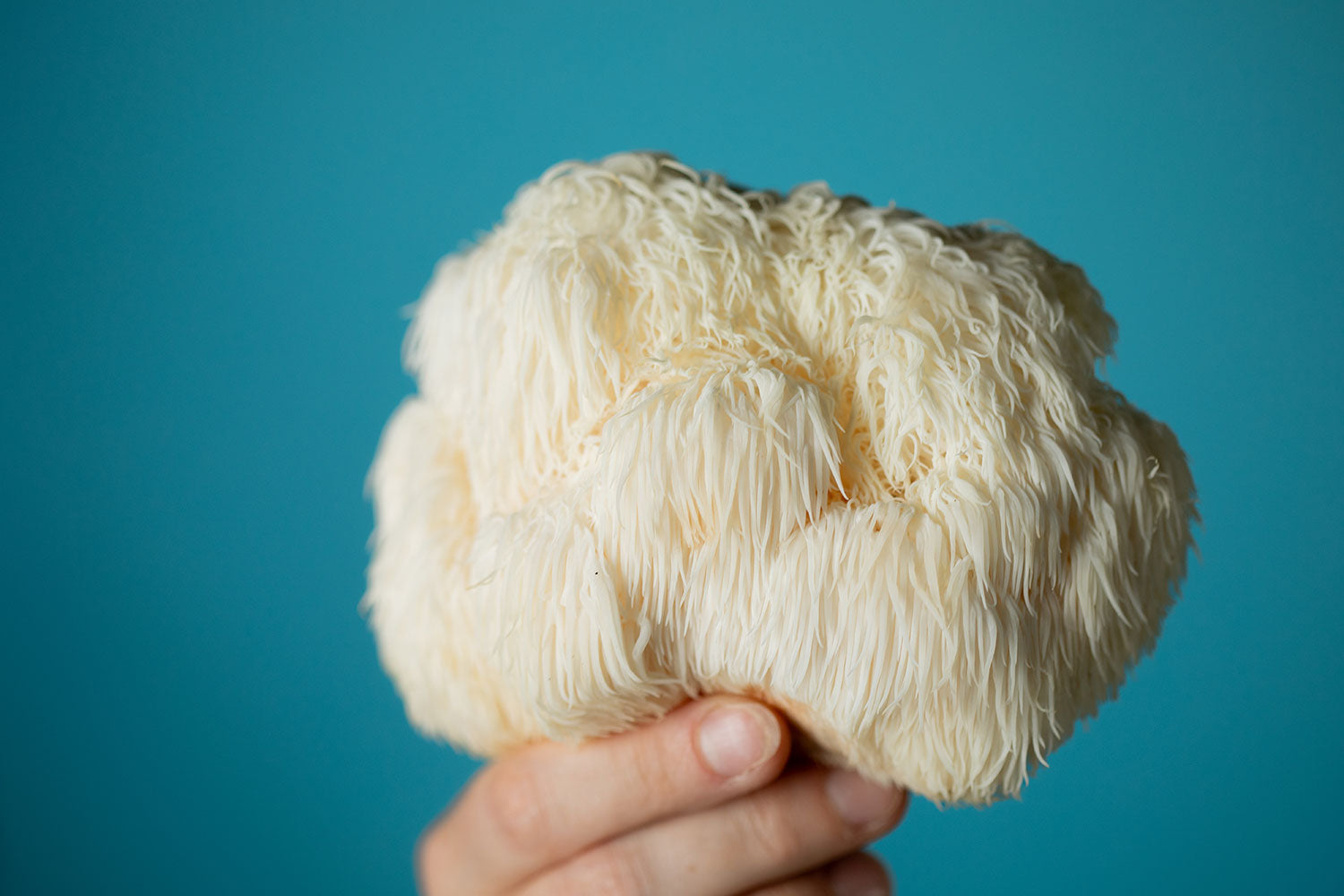
This is especially relevant with mushrooms people use for targeted benefits. Lion's Mane is often chosen for cognitive support. Cordyceps is popular for clean stamina and performance. Reishi is associated with stress support and rest. Turkey Tail and Chaga are often used for immune support. In each case, extraction is a big part of turning the mushroom from an interesting ingredient into a more purposeful one.
That does not mean every extract is automatically better than every powder. It depends on the mushroom, the extraction method, the quality of the raw material, and whether the final product is honestly labeled. But in most functional mushroom supplements, extraction is a meaningful step, not a minor processing detail.
How organic mushroom extract is made
The process starts with the mushroom itself, ideally grown on organic substrate under controlled conditions. After harvest, the mushroom material (fruiting body) is dried and prepared for extraction.
Hot water extraction is one of the most common methods. It is especially useful for pulling out water-soluble compounds like beta-glucans, which are widely associated with immune support.
This is where quality starts to separate. A good extract is not just processed. It is processed with a purpose. The manufacturer should know which compounds matter, which part of the mushroom is being used, and how to create a reliable final ingredient.
Fruiting body, mycelium, and why the distinction matters
Not all mushroom ingredients are created the same way. One of the biggest points of confusion is the difference between fruiting body and mycelium.
The fruiting body is the part most people recognize as the mushroom itself. Mycelium is the root-like network that grows through a substrate. Both can be used in supplements, but they are not interchangeable.
Many shoppers prefer fruiting body extracts because they are often richer in the compounds associated with the mushroom's intended benefit. Some mycelium products are grown on grain, and there is no way to separate the grain from the mycelium. The final ingredient can contain a meaningful amount of starch from the growth medium. That does not automatically make the product bad, but it can dilute what you're actually buying the supplement for.
If your goal is a focused, benefit-led mushroom routine, this is worth checking. Clean labels should tell you what part of the mushroom is used, whether it is extracted, and ideally what active compounds are being measured.
What to look for on the label
A good mushroom product should not make you guess. If you're evaluating an organic mushroom extract, start with transparency.
Look for the mushroom species listed clearly. Look for whether it says extract rather than just powder. Look for fruiting body if that matters to your buying standard. Look for third-party testing. And if the brand talks about beta-glucans or other active compounds, even better.
Organic certification is another strong signal, especially for people building a daily wellness stack. Mushrooms are absorbent by nature, which means sourcing and growing conditions matter. Organic standards can help reduce exposure to things you do not want riding along in your supplement.
You should also pay attention to fillers, sweeteners, and unnecessary extras. A product can market functional mushrooms while burying them in a formula loaded with ingredients that do not support the core job. Clean performance usually comes from discipline: one mushroom, one function, one formula designed to do what it says.
What organic mushroom extract is not
It is not the same thing as tossing raw mushrooms into a blender and calling it a wellness supplement. It is not automatically potent just because the packaging looks premium. And it is not always standardized unless the brand tells you what is being measured.
It is also not a shortcut to instant results. Functional mushrooms tend to work best as part of a consistent routine. Some people notice a difference quickly, especially with energy or focus-supporting mushrooms. Others need a few weeks of steady use. That does not mean the product is weak. It usually means you're dealing with daily support, not a one-hit stimulant.
Why format matters after the extract is made
Once the extract exists, the next question is how it fits into real life. A great ingredient only works if you actually take it.
Capsules are simple and familiar. Powders can be flexible if you already have a smoothie or coffee ritual. Gummies are easy for people who want convenience and taste. Dissolving strips and functional drinks can fit fast-paced routines where portability matters. The best format is the one you will use consistently without friction.
This is where modern mushroom wellness has improved. People no longer need to choose between traditional ingredients and usable formats. You can build a routine around outcomes like focus, energy, sleep, or stress support and choose a delivery method that fits your day.
Is organic mushroom extract worth it?
If you care about clean ingredients, targeted benefits, and daily consistency, yes, it often is. Organic mushroom extract gives you a more concentrated, more usable form of the mushroom than raw powder alone in many cases. It also aligns with what a lot of wellness shoppers want now: fewer shortcuts, fewer fillers, more clarity.
That said, not every extract is high quality, and not every organic label guarantees efficacy. The strongest products combine organic sourcing with real extraction methods, transparent labeling, and testing that backs up the formula.
For shoppers trying to cut through the noise, a simple standard helps: choose mushrooms based on the outcome you want, then make sure the product uses an organic extract designed to deliver that outcome cleanly.
That is the real value here. Organic mushroom extract is not just a technical term on a supplement label. It is the step that turns a functional mushroom into something more focused, more practical, and more aligned with how people actually support performance and wellness every day.
The smartest mushroom routine is usually the one you can understand at a glance and trust without second-guessing.
Leave a comment
All comments are moderated before being published.