Free Shipping on Orders over $75
★
Free Lion's Mane Gummies on Orders Over $150!
★


Mushroom Extract Safety for Daily Performance
6 minute read
A focus gummy before a packed workday. A Cordyceps drink before training. A Reishi capsule when the evening needs to slow down. Functional mushrooms can fit real routines, but mushroom extract safety should never be an afterthought. The best products make the choice simple: a clearly identified mushroom, a purposeful dose, clean ingredients, and proof that what is on the label is actually in the package.
Mushrooms are natural. That does not automatically make every mushroom product safe, effective, or right for every person. The category ranges from carefully tested organic extracts to vague proprietary blends with little meaningful information behind them. Knowing the difference protects your routine and helps you spend on products built for clean performance.
Mushroom Extract Safety Starts With Identity
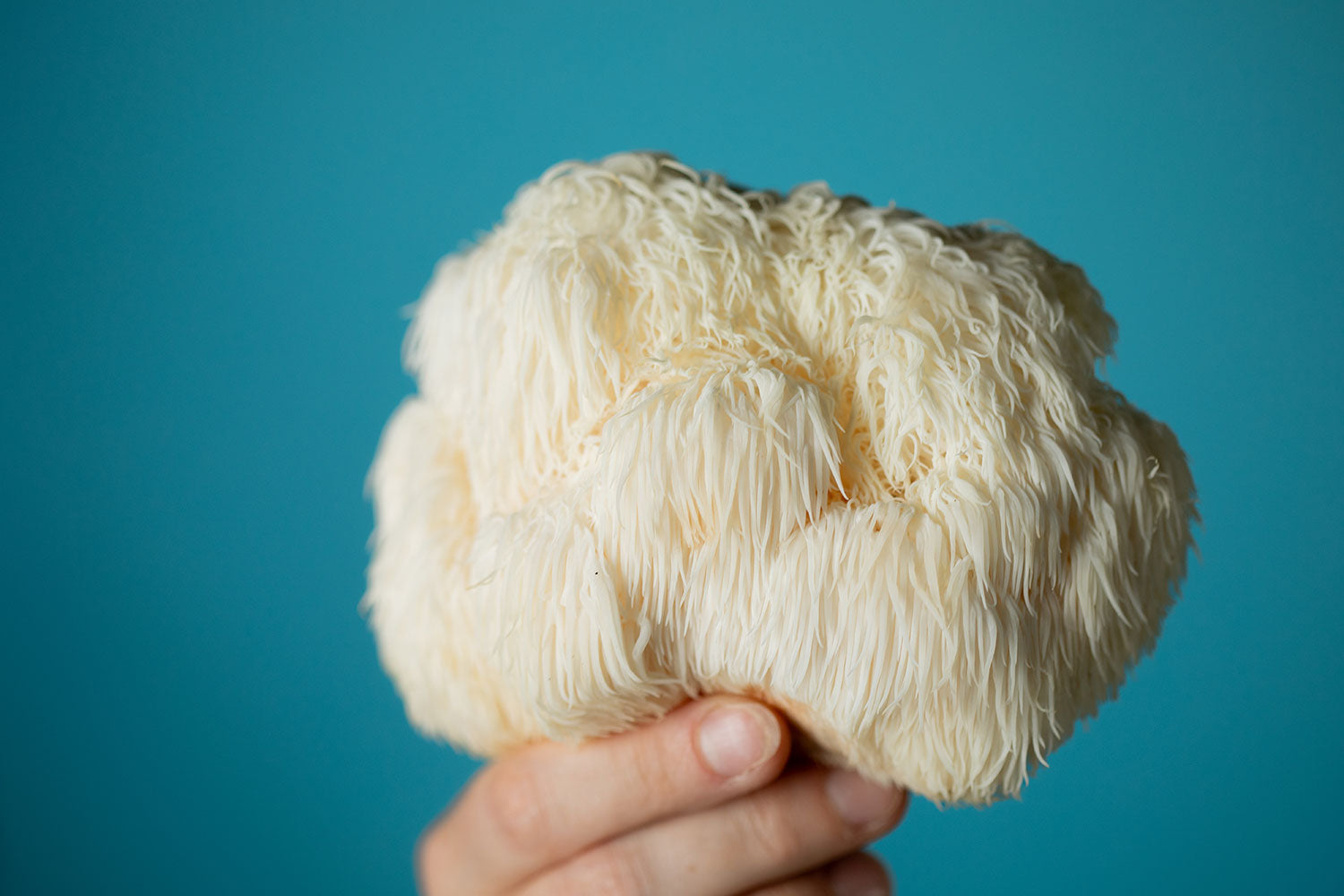
The first question is basic: what mushroom are you taking? A label should name the species clearly, not hide behind broad terms like “mushroom complex” or “functional blend.” Lion’s Mane, Reishi, Cordyceps, Chaga, and Turkey Tail each have distinct traditional uses, constituent profiles, and considerations.
A benefit-first routine is easier to assess, too. If you want sharper attention, choose a product centered on Lion’s Mane rather than stacking six ingredients you cannot identify. If your goal is calmer evenings, a straightforward Reishi formula gives you a cleaner signal. One mushroom, one job is not just easier to shop - it makes it easier to notice how your body responds.
Look for the scientific name when possible. For example, Lion’s Mane is Hericium erinaceus, while common names for Cordyceps can refer to different species. Precision matters because research on one species does not automatically apply to another.
Extracts, Powders, and What the Label Really Tells You
Not all mushroom supplements are extracts. A whole-mushroom powder is simply dried mushroom that has been ground. An extract uses water, alcohol, or both to pull specific compounds from the mushroom material. Neither format is universally superior. It depends on the mushroom, the compounds a product is designed to deliver, and the quality of the raw material.
For many functional mushrooms, hot-water extraction is used to make certain polysaccharides more available. Dual extraction, which uses both water and alcohol, may capture a broader range of compounds. The meaningful question is not whether a bottle says “extract” in large type. It is whether the company explains the mushroom source, extraction approach, and dose in a way that can be evaluated.
Be careful with labels that lean on an impressive-looking extract ratio, such as 10:1, without saying how much actual extract is in a serving. That ratio alone does not tell you potency, purity, or real-world value. A transparent Supplement Facts panel does.
Beta-glucan content can be useful context, especially in immune-focused products, but it is not a universal scorecard. Different mushrooms are chosen for different compounds and outcomes. Treat one number as part of the picture, not the whole picture.
Fruiting Body, Mycelium, and Fillers
The fruiting body is the visible mushroom. Mycelium is the root-like network that grows beneath it. Both can contain useful compounds, but products should be upfront about which form they use. The problem is not mycelium by itself. The problem is ambiguity.
Some mycelium products are grown on grain and sold with a meaningful amount of grain-based starch still present. If a brand does not disclose its source material or testing, you cannot tell how much mushroom material you are getting. A clean label should make the answer easy.
Also scan for unnecessary fillers, artificial colors, and oversized proprietary blends. Delivery format can change the ingredient list: gummies and drinks may include sweeteners or flavor systems, while capsules and powders may be more minimal. That is not automatically a red flag. It is a reason to read the full label instead of judging a product by the front panel.
Testing Is the Backbone of Mushroom Extract Safety
Mushrooms absorb compounds from their environment. That is part of why sourcing and testing carry real weight. Quality brands should verify identity and screen finished products or raw materials for contaminants that do not belong in your daily wellness routine.
Third-party testing should address the risks relevant to botanical supplements, including heavy metals, microbial contaminants, and pesticides. Depending on the formula and source, additional testing may be appropriate. Organic certification is a strong sourcing signal, but it does not replace batch testing. “Natural” is not a substitute for documented quality control.
You do not need a chemistry degree to shop smarter. Look for brands that are willing to answer practical questions: Where are the mushrooms grown? Is the species identified? Is the product third-party tested? Are there fillers? Can the brand explain the serving size without hiding behind a blend?
If the label makes broad promises but offers no specifics, move on. Clean performance is built on proof, not hype.
Dose Matters More Than Going Big
More is not always better with mushroom extracts. Taking several products at once, doubling a serving because you want faster results, or combining mushrooms with multiple herbs can make it difficult to spot side effects and may raise the chance of interactions.
Start with the labeled serving size. Use one new product at a time, ideally for a week or two, before adding another. A simple note in your phone can help you track energy, sleep, digestion, skin changes, and any unwanted effects. That approach is especially useful with blends, where several active ingredients may be working at once.
Common mild reactions can include digestive upset, nausea, headache, or an itchy rash. Stop using the product if you suspect an allergic reaction. Seek urgent care for symptoms such as trouble breathing, swelling of the lips or throat, faintness, or widespread hives.
Timing matters as well. A daytime formula designed around energy or focus may not fit your evening routine. A calming mushroom may be better saved for later in the day, depending on how you respond. The right schedule is the one that supports your actual life without disrupting sleep, training, or prescribed care.
When to Talk With a Clinician First
Most healthy adults can make thoughtful supplement decisions by choosing quality products and following the label. Still, “natural” does not mean interaction-free. Get personalized medical guidance before using mushroom extracts if you are pregnant, nursing, preparing for surgery, managing a chronic condition, or giving supplements to a child.
A pharmacist or clinician should also weigh in if you take prescription medication, particularly blood thinners or antiplatelet drugs, diabetes medication, immunosuppressants, or medication that affects blood pressure. People with autoimmune conditions should be especially careful with immune-focused supplements because the right approach depends on the condition, treatment plan, and specific product.
Certain mushrooms deserve extra context. Chaga can be high in oxalates, which may be a concern for people with kidney disease or a history of kidney stones. Reishi has rare reports of liver-related adverse effects, particularly with concentrated or poorly characterized products. That does not mean every Reishi product is unsafe. It means product quality, dose, duration, and personal health history all matter.
A Smarter Way to Build Your Mushroom Routine
The safest routine is rarely the most complicated one. Pick the outcome you care about most right now: clean stamina, steadier stress support, focus, sleep, or immune resilience. Then choose a single, transparent product that fits your preferred format and use it consistently at the stated dose.
Before buying, make sure you can answer four questions:
- Is the mushroom species and serving size clearly listed?
- Does the formula match one clear outcome rather than promising everything at once?
- Does the brand provide credible third-party testing and clean sourcing details?
- Does the ingredient list work with your allergies, medications, and health needs?
Functional mushrooms are not a replacement for sleep, protein-rich meals, movement, stress management, or medical care. They are a tool - and like any tool, they work best when you know what it is made of, why you are using it, and when to pause.
Choose the mushroom that matches your goal, insist on the proof behind the label, and give your body room to respond. That is how a daily wellness ritual stays clear, confident, and truly your own.
Leave a comment
All comments are moderated before being published.