Free Shipping on Orders over $75
★
Free Lion's Mane Gummies on Orders Over $150!
★


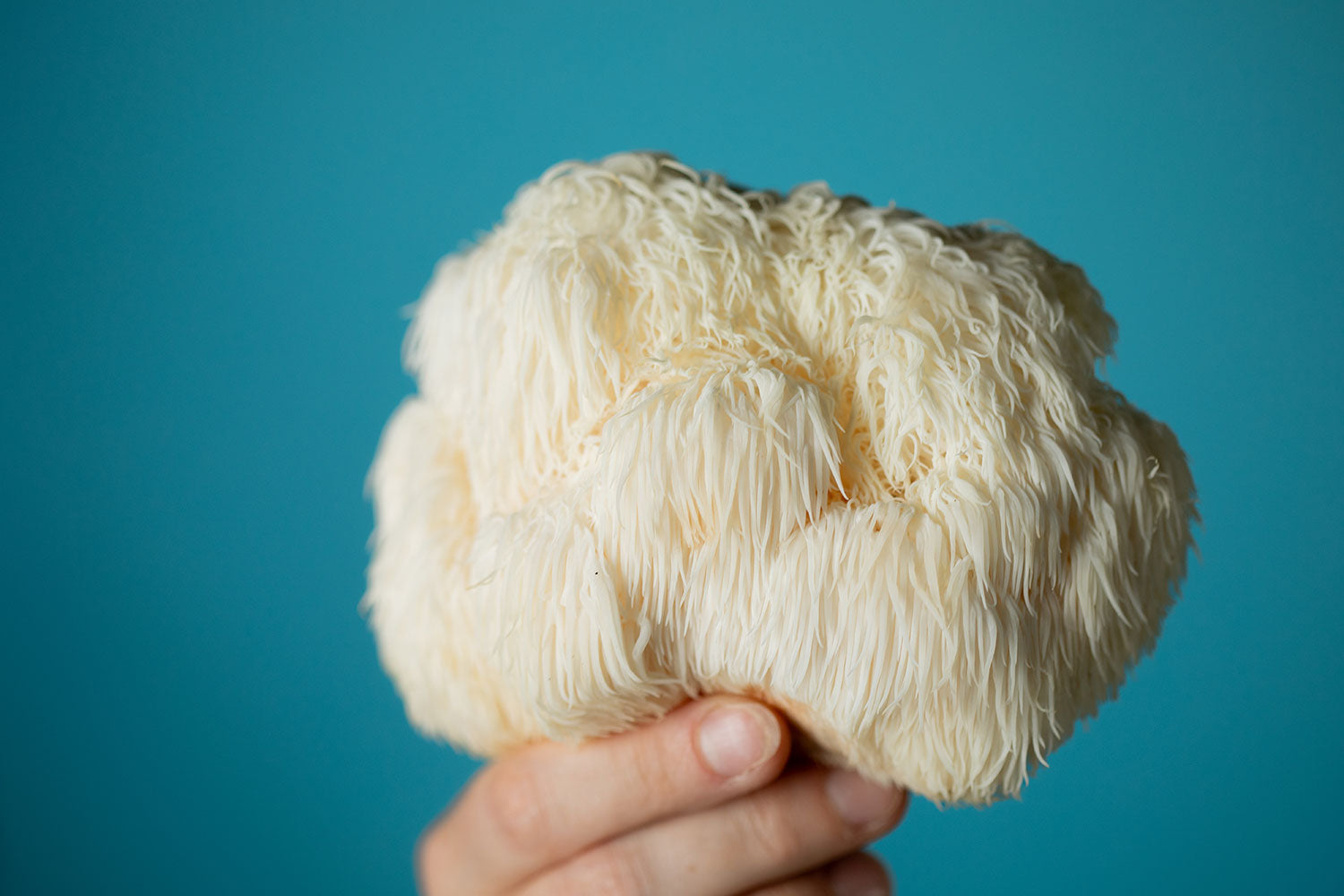
Are Mushroom Supplements Overhyped? Let's Look at the Data
6 minute read
The functional mushroom industry has exploded. There's a mushroom supplement for everything now — energy, sleep, focus, immunity, longevity, stress, gut health, skin, and more. With that growth comes a valid question: are mushroom supplements actually legitimate, or is most of this elaborate marketing built on thin science?
The honest answer is nuanced: some mushroom benefits are well-supported by rigorous research, others are promising but preliminary, and some claims are genuinely unsupported. This article breaks it down with the actual data.
What Does the Mainstream Scientific Community Actually Say?

The Guardian published a feature in October 2023 asking whether medicinal mushrooms can really improve health. Their conclusion, drawn from multiple expert interviews: the evidence for specific benefits (particularly immune support and cognitive function) is real, but the marketing often outruns the science. Many researchers are genuinely excited about the category, while also cautioning against extrapolating from in vitro or animal studies to human benefit claims.
The Guardian: Can Medicinal Mushrooms Really Improve Health? (2023)
What Does the Most-Cited Research Actually Show?
A 2021 review paper on bioactive compounds in medicinal mushrooms (PMC7826851) has been cited over 570 times by researchers worldwide — making it one of the most referenced papers in the functional mushroom field. Its conclusions: medicinal mushrooms contain genuine bioactive compounds (beta-glucans, triterpenes, lectins, ergosterols) with demonstrated biological activity. The strongest evidence is in immunomodulation, antitumour support, and neurological health.
Crucially, this review also acknowledges limitations: most high-quality human studies are small, dosing is inconsistent across trials, and extraction methods dramatically affect bioavailability. Translation: the biology is real, but the commercial products vary enormously in quality.
PMC7826851: Bioactive Compounds in Medicinal Mushrooms
What About Mushrooms and Cancer Support? Is That Legit?
This is one of the most sensitive claims in the functional mushroom space, and it requires careful framing. A review of 17 clinical studies (PMC8483951) examined the evidence for medicinal mushrooms as adjuvant support in cancer care. The findings: several mushroom compounds — most notably Turkey Tail's PSK and PSP polysaccharides — showed meaningful immune support activity in cancer patients receiving conventional treatment.
This is not a claim that mushrooms treat or cure cancer. They do not. What the evidence suggests is that certain mushroom compounds may support immune function in people undergoing cancer treatment, potentially improving quality of life and immune markers. Turkey Tail's PSK is actually approved as an adjuvant therapy drug in Japan under the brand name Krestin.
PMC8483951: Review of 17 Cancer Studies on Medicinal Mushrooms
What Does the Cognitive Health Research Actually Show?
The Journal of Alzheimer's Disease published a Singapore population study that followed older adults and tracked mushroom consumption against cognitive decline. The finding: participants who ate mushrooms at least twice per week had approximately 50% lower odds of developing mild cognitive impairment compared to those who rarely ate mushrooms. This was an observational study, not a controlled trial, but the effect size was striking and the population was large.
This aligns with Lion's Mane's established mechanism for NGF stimulation — the same pathway implicated in Alzheimer's research. For a full breakdown of mushrooms and brain health, see our evidence-based guide on
Study link: Singapore Cognitive Impairment Study (Journal of Alzheimer's Disease)
Where Is the Hype Getting Ahead of the Evidence?
Honest assessment from the field: certain mushroom marketing claims are either unsupported or dramatically overstated. Here is where the hype tends to exceed the science:
-
Anti-aging and longevity: No human trial has shown mushrooms extend lifespan. Some compounds show interesting effects on cellular senescence in animal models, but this is a long way from proven human benefit.
-
Weight loss: No credible clinical evidence supports mushroom supplements as weight loss aids, despite frequent marketing claims.
-
"Cures" or "treats" any disease: No mushroom supplement does this. Full stop. Any brand using this language is violating health regulations and misleading consumers.
-
Most nootropic claims without species specificity: "Mushroom blend for focus" without specifying Lion's Mane content and extract potency is essentially meaningless.
Verdict: Claim-by-Claim Evidence Assessment
|
Claim |
Evidence Level |
Key Notes |
|
Immune support (Turkey Tail, Reishi) |
Strong |
Multiple RCTs; PSK approved in Japan |
|
Cognitive support (Lion's Mane) |
Moderate-Strong |
Several human trials; NGF mechanism confirmed |
|
Exercise performance (Cordyceps) |
Moderate |
Consistent VO2 max + recovery data |
|
Sleep + stress (Reishi) |
Moderate |
2024 NREM study + cortisol modulation |
|
Anti-aging / longevity |
Weak |
Animal data only; no human RCTs |
|
Weight loss |
Weak |
No credible clinical evidence |
|
Cancer cure / treatment |
No evidence |
Adjuvant support only; not treatment |
How Do You Identify a Legit Mushroom Supplement?
The quality gap in the functional mushroom industry is real and large. Here is what separates quality products from marketing-heavy fillers:
-
Fruiting body extract (not mycelium-on-grain): Fruiting body extracts contain higher concentrations of active compounds. Mycelium-on-grain products are often mostly starch.
-
Stated beta-glucan percentage: A legitimate product tells you what percentage of the extract is active beta-glucans. 25% to 45%+ is a good target for quality extracts.
-
Extraction method disclosed: Dual extraction (hot water + ethanol) is necessary to capture both water-soluble polysaccharides and oil-soluble triterpenes.
-
Third-party testing: Certificates of analysis from independent labs for heavy metals, pesticides, and potency.
-
No disease-treatment claims: Legitimate brands use language like "supports," "may help," never "cures" or "treats."
Our Beta-Glucans Explained guide covers how to read supplement labels and what beta-glucan percentages actually mean. And for context on why we started this company and what standards we hold ourselves to, read The Complete Beginner's Guide to Functional Mushrooms.
What We've Learned About the Evidence
We have reviewed the specific human evidence for brain fog, energy, sleep, and now the broader question of whether the category is legitimate. The consistent finding is that the biology is real, the best-studied species have meaningful human evidence, and the primary problem is product quality and overclaiming, not the mushrooms themselves.
For deeper dives into specific benefits, explore our evidence-based guides on
Cordyceps for energy, Reishi for stress and sleep, and the best mushroom for brain fog. Or browse our full collection to find the right product for your goals.
Frequently Asked Questions
|
Are mushroom supplements legit, or is it all hype? It depends on the claim and the species. Some benefits — like immune support from beta-glucans, cognitive support from Lion's Mane, and exercise performance from Cordyceps — have meaningful human evidence behind them. Other claims (anti-aging, cancer cure, dramatic weight loss) are not supported by current research. Evaluate each species and each claim independently. |
|
Do mushroom supplements actually work? For specific, evidence-backed applications, yes. A 2021 review of bioactive compounds in medicinal mushrooms cited by over 570 researchers outlines the strongest evidence categories: immune modulation, cognitive support, and metabolic health. Effects are typically modest but consistent across multiple well-designed studies. Product quality is a major variable. |
|
Why do so many mushroom supplements seem fake or low quality? Because the industry is under-regulated. Many products use mycelium grown on grain, which contains more starch than active mushroom compounds. Without third-party testing and clear beta-glucan percentages, it's difficult to verify potency. This is why extraction method, source (fruiting body vs mycelium), and third-party testing matter so much when choosing a product. |
|
What mushroom has the most scientific evidence? Turkey Tail (Trametes versicolor) has the most rigorous cancer-adjacent evidence, including an FDA-approved clinical trial. Lion's Mane has the strongest evidence for cognitive support. Reishi has the broadest evidence base including immune, stress, and sleep research. Cordyceps has the most consistent evidence for athletic performance. |
|
Are there any mushroom supplements that are proven cures for diseases? No mushroom supplement has been proven to cure any disease, and no legitimate brand claims otherwise. Turkey Tail's PSK (polysaccharide-K) extract is approved as an adjuvant cancer therapy in Japan, but this is a pharmaceutical-grade extract, not a commercial supplement. Supplements "support" health — they don't treat or cure disease. |
|
Should I be skeptical of influencer-promoted mushroom products? Healthy skepticism is warranted. Many influencer-promoted mushroom products make vague or exaggerated claims. Look for brands that cite specific studies, disclose their extraction method, publish beta-glucan percentages, use third-party testing, and avoid disease-treatment language. Brands that do all of these things are more likely to have quality products. |
The Bottom Line: Are Mushroom Supplements Legit?
Yes — with important qualifiers. The strongest evidence supports immune modulation (Turkey Tail, Reishi), cognitive support (Lion's Mane), exercise performance (Cordyceps), and stress and sleep (Reishi). The evidence does not support dramatic anti-aging, weight loss, or disease treatment claims. Product quality is the biggest variable: a premium fruiting body extract from a transparent brand is a very different product from a mycelium-on-grain powder with vague label claims.
At Stay Wyld Organics, we only make claims grounded in evidence, we publish what's in our products, and we think you deserve to make informed decisions. That's the whole point.
Disclaimer: This article is for informational purposes only and does not constitute medical advice. Mushroom supplements are not intended to diagnose, treat, cure, or prevent any disease. Consult your healthcare provider before adding any supplement to your routine.
Leave a comment
All comments are moderated before being published.