Free Shipping on Orders over $75
★
Free Lion's Mane Gummies on Orders Over $150!
★


Organic Mushroom Extract Powder Explained
7 minutes de lecture
Some powders look healthy on the label and do very little once they hit your routine. That is the real question with organic mushroom extract powder - not whether mushrooms are trending, but whether the powder in your scoop is actually concentrated, clean, and built for a result you can feel.
The category has grown fast because people want more from their daily supplements. Better focus without the jittery edge. Cleaner energy without a hard crash. Stress support that does not flatten the rest of the day. Functional mushrooms fit that demand well, but the format matters. A lot. If you are shopping for a mushroom powder, the difference between a useful extract and a weak filler-heavy blend can be the difference between a smart daily habit and expensive dust.
What organic mushroom extract powder actually means
At its simplest, organic mushroom extract powder is a concentrated mushroom product made by extracting beneficial compounds from mushrooms, then drying that extract into a powder. The goal is not just to grind up a mushroom and call it a day. The goal is to make key compounds more available and more consistent.
That distinction matters because mushroom supplements are not all built the same. Some products are plain mushroom powder, which may include ground fruiting bodies or mycelium biomass. Others are true extracts, often using hot water or dual extraction methods to pull out compounds like beta-glucans, triterpenes, and other bioactives associated with functional benefits.
If you want a powder that supports a clear outcome, extract forms usually make more sense than basic raw powders. They are designed for potency, not just label appeal.
Why extraction matters more than most people think
Mushrooms have tough cell walls made of chitin. Humans do not break that down especially well. Extraction helps crack that structure so the compounds inside are easier to access.
This is one of the biggest reasons a high-quality organic mushroom extract powder often outperforms a simple ground mushroom product. You are not just paying for a mushroom name on the front of the bag. You are paying for a process that can improve usefulness.
It also creates more consistency. If your goal is sharper attention spans from Lion's Mane or steadier stress support from Reishi, consistency matters. You want a product that is standardized, tested, and clear about what is inside.
That does not mean every extract is automatically better. Some are underdosed. Some hide behind proprietary blends. Some use vague language like mushroom complex without telling you whether you are getting fruiting body extract, mycelium on grain, or a mix of both. Extraction is a good sign, but transparency still has to back it up.
Different mushrooms, different jobs
This is where shopping gets easier. One mushroom should lead with one clear outcome.
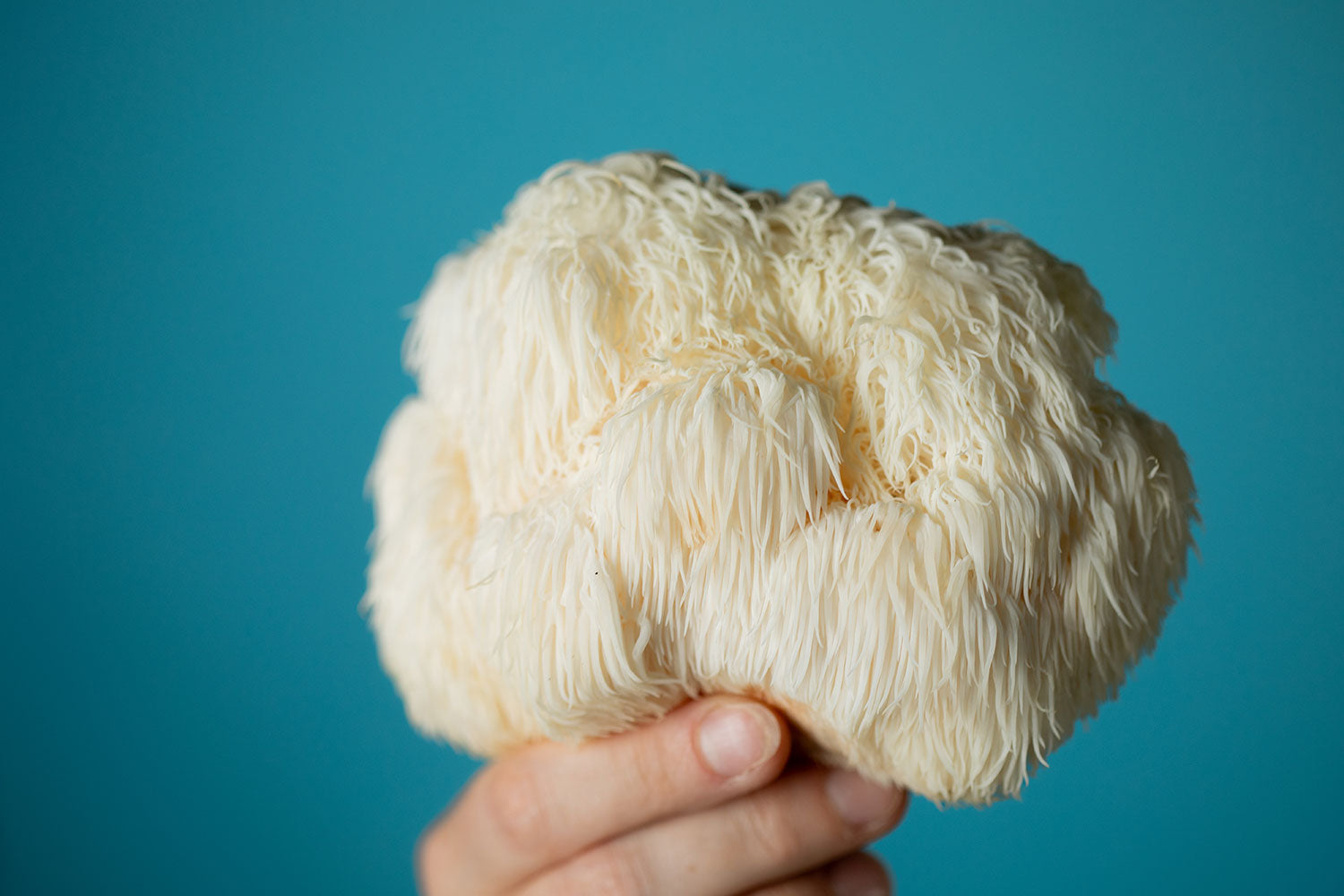
Lion's Mane is usually the go-to for focus, clarity, and cognitive support. It is popular with students, professionals, and anyone trying to stay mentally sharp without leaning harder on caffeine.
Cordyceps is typically chosen for energy, stamina, and performance. Not fake energy. More like cleaner output, especially if you want support for workouts, long days, or better endurance.
Reishi is the calm one. It is often used for stress support, recovery, and more balanced evenings. For people who feel wired late or stretched thin all day, Reishi makes sense.
Chaga and Turkey Tail are often associated with immune support and daily resilience. They are less about a dramatic feeling and more about the long game.
That is why benefit-first shopping works. You do not need a crash course in mushroom chemistry to choose well. Start with the result you want, then look at the mushroom behind it.
How to read an organic mushroom extract powder label
A good label should answer basic questions fast. If it does not, that is a signal in itself.
First, check whether the product says extract, not just powder. Then see if it identifies the mushroom species and the part used. Fruiting body is often preferred by shoppers looking for traditional mushroom extracts, while mycelium products can vary a lot depending on how they are grown and processed.
Next, look for beta-glucans when available. Beta-glucans are among the most discussed active compounds in functional mushrooms, and listing them is a stronger sign than vague polysaccharide claims. Polysaccharides can come from other starch sources, so that wording is not always as useful.
Also pay attention to what is not in the formula. Fillers, gums, sweeteners, and artificial flavors can make a product easier to market, but they do not improve mushroom performance. Clean-label matters here.
Organic certification adds another layer of trust. It helps support ingredient quality and cleaner sourcing standards, which is a big deal when mushrooms are being consumed daily.
Organic matters, but it is not the whole story
Organic is a strong starting point. It tells you the mushrooms were grown under stricter standards and without a long list of synthetic inputs. For many shoppers, that aligns with the whole point of choosing functional wellness products in the first place.
Still, organic alone does not guarantee potency. A product can be organic and still be weak, poorly extracted, or padded with low-value material. That is why the best products combine organic sourcing with third-party testing, clear extraction methods, and no-filler formulas.
If a brand is serious, it will not force you to guess. It will show you the quality story instead of hiding behind branding.
Who organic mushroom extract powder works best for
This format works especially well for people who want flexibility. Powders fit into coffee, smoothies, water, pre-workout stacks, or a simple morning routine. If capsules feel forgettable and gummies feel too casual, powder gives you more control.
It is also useful for people who like adjusting their routine by time of day. A focus mushroom in the morning. A stress-support mushroom at night. That kind of modular use makes powders appealing.
There is a trade-off, though. Powder is not always the most convenient travel format, and taste can be a factor depending on the mushroom and the rest of the formula. Some mushrooms have a more earthy profile than others. If convenience is your top priority, strips, capsules, or ready-to-drink formats may fit better.
How to use it without overcomplicating your routine
The best routine is the one you will actually keep. That sounds obvious, but it is where a lot of supplement habits fail.
If you are trying organic mushroom extract powder for focus, use it in the morning or early afternoon and stay consistent for a few weeks. If your goal is stress support or evening recovery, take it later in the day when that benefit is most relevant. Functional mushrooms are often less about a dramatic first-day hit and more about steady use.
You do not need to stack five mushrooms on day one. Start with one that matches your main goal. See how it fits your energy, schedule, and lifestyle. Then adjust from there.
That approach also makes it easier to notice what is working. If you are taking a giant blend with eight ingredients plus caffeine plus adaptogens, it gets harder to tell what is driving the result.
What separates a strong product from a weak one
A strong product is specific. It tells you what mushroom it uses, how it is extracted, what benefit it is built around, and what quality markers support the formula.
A weak product usually leans on trend language. It says superfood. It says ancient wisdom. It says mushroom blend in huge letters and almost nothing useful in the fine print.
For a category built on performance, that is not good enough. You want proof points. Organic ingredients. No fillers. Third-party testing. A formula that feels designed, not improvised.
This is where modern wellness brands are pushing the category forward. Stay Wyld Organics, for example, keeps the formula logic simple - one mushroom, one job. That makes shopping faster and daily use cleaner. No guesswork. Just a more direct match between the mushroom and the result.
Is organic mushroom extract powder worth it?
If you care about clean inputs, targeted benefits, and a routine that supports how you actually want to feel, yes, it can be worth it. But only when the product is built well.
The real value is not in adding another wellness trend to your shelf. It is in choosing a format and formula that fit your life closely enough to become consistent. Better focus is useful when it shows up on deadline days. Better calm is useful when your nervous system is running hot. Better stamina is useful when your training or workday demands more than coffee can carry.
That is the standard to use when you shop. Not hype. Not oversized claims. Just clean performance, clear labeling, and the right mushroom for the job.
If a powder can do that, it earns a place in your routine. If it cannot, keep moving. The best wellness habits should feel sharp, simple, and easy to trust.
Laisser un commentaire
Tous les commentaires sont modérés avant d'être publiés.