Free Shipping on Orders over $75
★
Free Lion's Mane Gummies on Orders Over $150!
★


How to Grow Lion's Mane
13 minutes de lecture

TL;DR: Grow Lion's Mane at home to access its cognitive and nerve-supporting benefits. Choose from convenient kits, natural logs, or controlled substrate methods based on your experience level. Maintain optimal humidity, temperature, and indirect light for successful fruiting, then harvest and cook your own brain-boosting mushrooms.
Why Grow Lion's Mane?
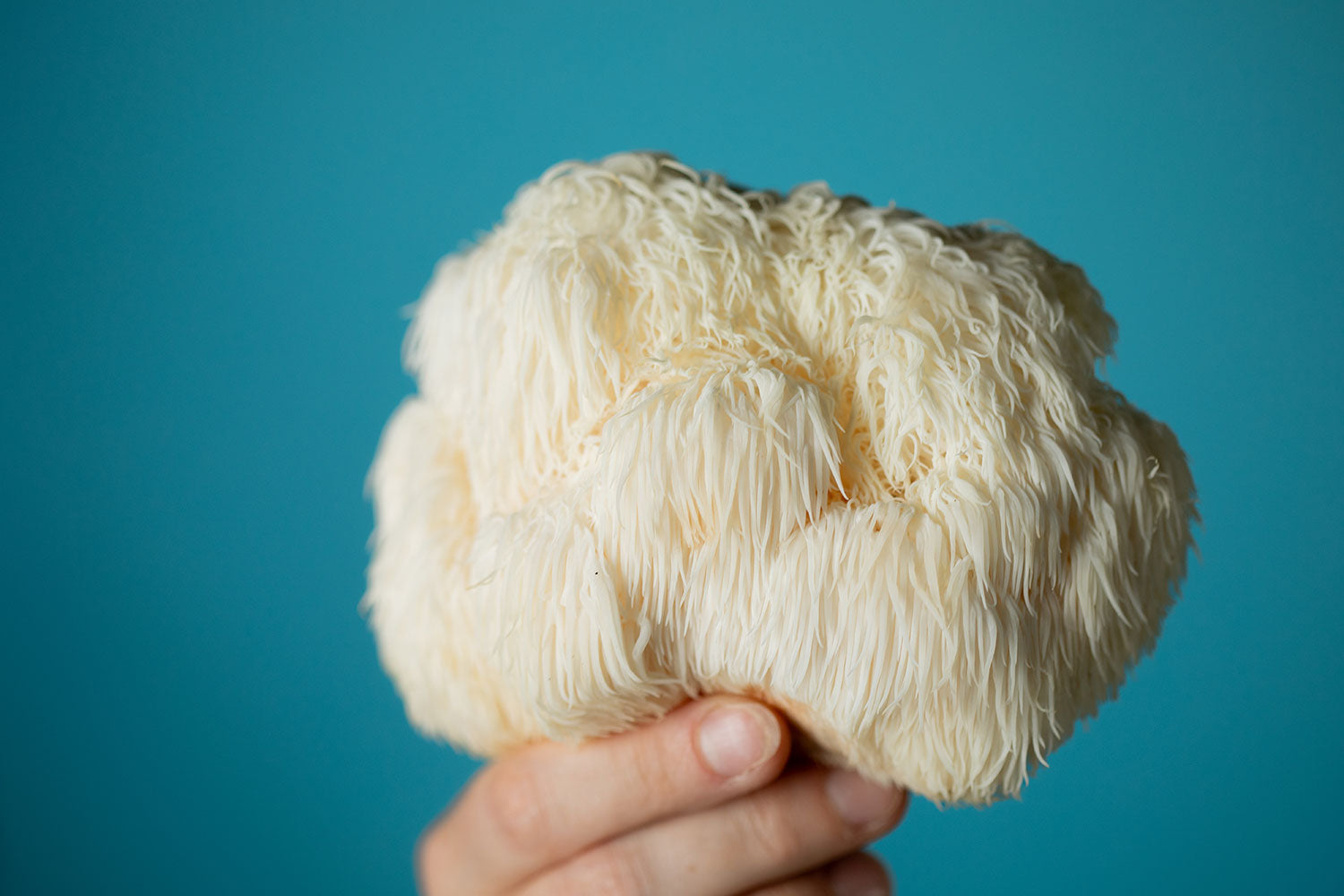
The Lion's Mane mushroom (Hericium erinaceus) isn't just another fungus—it’s a powerhouse of potential cognitive and neurological benefits. Known for its shaggy appearance resembling a lion's mane, this mushroom contains compounds like hericenones and erinacines, which are believed to stimulate nerve growth factor (NGF) production in the brain. This makes Lion's Mane a popular choice for individuals seeking to support brain health, enhance focus, and explore potential benefits for neurodegenerative diseases.
So why cultivate your own Lion's Mane instead of buying it pre-grown or as a supplement? Several reasons make home cultivation appealing. First, there's the cost factor. Over time, growing your own mushrooms can save you a significant amount of money compared to consistently purchasing them. Second, you gain complete control over the quality of your Lion's Mane. You decide which substrates to use and ensure the growing environment is free of unwanted contaminants, resulting in a cleaner, more potent product. Finally, there's the sheer satisfaction of nurturing something from start to finish. Witnessing the growth process and harvesting your own functional food is an incredibly rewarding experience.
There are several methods for growing Lion's Mane at home. You can use pre-made growing kits, inoculate logs, or create your own substrate blocks. Each method has its own pros and cons in terms of ease, cost, and yield.
Before diving into the specifics, let's touch on what you'll need to get started. Generally, you'll need Lion's Mane spawn (the inoculated material used to initiate growth), a suitable substrate (such as hardwood sawdust or supplemented sawdust), a growing container or bag, a clean, controlled environment, and some basic tools.
Choosing Your Growing Method: Kits, Logs, or Substrate?
When it comes to growing Lion's Mane, you have three primary methods to choose from: grow kits, logs, and substrate blocks. Each method offers a different balance of convenience, cost, and control over the final product. The best option for you will depend on your experience level, resources, and desired production scale.
-
Lion's Mane Grow Kits: Convenient for Beginners: These kits are pre-inoculated and ready to fruit, making them the simplest option for beginners. They typically include a bag or container filled with a suitable substrate already colonized by Lion's Mane mycelium. All you need to do is provide the right environmental conditions (humidity and temperature) and wait for the mushrooms to grow. While convenient, kits offer less control over the substrate composition and overall yield.
-
Growing on Logs: A Natural, Sustainable Approach: This method involves inoculating hardwood logs with Lion's Mane spawn. It's a more natural and sustainable approach, but it requires access to suitable logs (typically oak, beech, or maple) and a longer incubation period. Log-grown Lion's Mane can be very flavorful and may have a different nutritional profile compared to those grown on other substrates.
-
Substrate Blocks: Greater Control and Yield: Creating your own substrate blocks gives you the most control over the growing process. This method involves mixing your own substrate (typically a combination of hardwood sawdust, bran, and other supplements), sterilizing it, and then inoculating it with Lion's Mane spawn. While this method requires more effort and knowledge, it allows you to customize the substrate to optimize growth and yield.
Diving Deeper into Grow Kits
Let's explore Lion's Mane grow kits further. The primary advantage of using a kit is its ease of use. The initial, and often trickiest, step of inoculation is already done for you. This significantly reduces the risk of contamination, a common pitfall for beginners. You also sidestep the need for specialized equipment, such as pressure cookers or autoclaves, required to sterilize bulk substrates. Just open, spray with water, and wait. The downside? You relinquish control. The substrate formulation is predetermined, potentially limiting the size, quantity, and even the flavor profile of your final harvest. The cost per pound of mushrooms tends to be higher compared to other methods too, as you're paying for the convenience.
Where can you source these kits? Many online retailers specializing in mushroom cultivation sell Lion's Mane grow kits. Look for vendors with positive reviews and transparent sourcing practices. Local farmers' markets or garden centers may also carry them.
What should you look for in a quality Lion's Mane grow kit? The substrate should appear fully colonized, meaning it's covered in a dense, white mycelium network, with no visible signs of mold or contamination (green, black, or other unusual colors). The packaging should be intact and airtight to prevent drying out or contamination during shipping. Finally, instructions should be clear and easy to follow, detailing the optimal temperature, humidity, and lighting conditions for fruiting.
A Step-by-Step Guide to Growing with a Kit
Now, let’s break down the actual process of growing Lion's Mane using a grow kit. Follow these steps to maximize your yield:
-
Prepare the Kit: Most kits arrive dehydrated to prevent contamination during shipping. Begin by carefully opening the kit and following the manufacturer's instructions to rehydrate the substrate. This usually involves soaking the block in cool, clean water for a specified period (often a few hours), then draining any excess water. Some kits may only require misting.
-
Create the Ideal Environment: Lion's Mane thrives in a humid environment with indirect light. The ideal temperature range is typically between 65-75°F (18-24°C). You can create a humid environment by placing the kit inside a clear plastic bag or container with air holes, or using a humidity tent. Avoid direct sunlight, as it can dry out the substrate and damage developing mushrooms. A north-facing window or a shaded area works well.
-
Monitor and Mist Regularly: Check the kit daily for moisture. The substrate surface should always be slightly damp, not soaking wet. Mist the kit with a spray bottle as needed to maintain humidity. Proper airflow is also key to preventing mold growth.
-
Harvest Your Lion's Mane: Lion's Mane is ready to harvest when the "teeth" or spines are well-developed and begin to lengthen, typically after about 1-2 weeks. The color may also shift from pure white to a cream or light yellow hue. To harvest, gently twist and pull the mushroom from the substrate, or use a clean knife to cut it at the base.
-
Subsequent Flushes: After harvesting your first flush, you can encourage additional growth, or "flushes," by rehydrating the substrate. Soak the block again as you did initially, and then return it to its humid environment. You may get several flushes from a single kit, although subsequent flushes may be smaller than the first.
Growing Lion's Mane on Logs or Sawdust
Another method for growing Lion's Mane involves using logs or sawdust. This approach more closely mimics the mushroom's natural habitat and can yield flavorful mushrooms, but it requires more preparation and patience than using a kit.
Growing on logs is a long-term project, often taking 6-12 months before the first fruiting. However, once established, a log can produce mushrooms for several years. The process involves inoculating freshly cut hardwood logs with Lion's Mane spawn. Ideal wood types include oak, beech, and maple, as they provide the nutrients the mushroom needs to thrive. Drill holes in the log, pack them with spawn, and then seal the holes with wax to prevent contamination and retain moisture. The logs are then placed in a shaded, humid location outdoors.
Alternatively, growing on sawdust substrate is a faster process than using logs but still more involved than using a pre-made kit. This method requires mixing sawdust with other nutrients, such as wheat bran, sterilizing the mixture, and then inoculating it with Lion's Mane spawn in a controlled environment.
Pro tip: Whether you choose logs or sawdust, maintaining proper moisture levels is key to successful Lion's Mane cultivation. Sawdust mixes require regular misting; logs benefit from occasional soaking, especially during dry periods.
Step-by-Step: Log Cultivation
Here’s how to grow Lion’s Mane using logs:
-
Source and Prepare Your Logs: Obtain freshly cut hardwood logs, ideally oak, beech, or maple. The logs should be about 3-6 inches in diameter and 3-4 feet long. Soaking the logs in water for a day or two before inoculation can help to hydrate them.
-
Inoculate the Logs with Lion's Mane Spawn: Drill holes in the logs in a diamond pattern, spacing them about 4-6 inches apart. The holes should be deep enough to accommodate the spawn you're using. Inject or pack the holes with Lion's Mane spawn.
-
Seal the Holes with Wax: After inoculating the logs, seal each hole with wax (beeswax or soy wax works well) to prevent contamination from other fungi and to retain moisture within the log. This protects the spawn as it colonizes the wood.
-
Incubate the Logs: Find a moist, shaded location outdoors to incubate your logs. You can stack them in a "log cabin" style or lean them against a wall. The location should be protected from direct sunlight and strong winds.
-
Monitor and Water Regularly: Check the logs periodically to ensure they remain moist. If the weather is dry, water them lightly with a hose or sprinkler. Look for signs of mycelial growth around the inoculation points.
-
Harvest Your Lion's Mane: Once the Lion's Mane mushrooms begin to fruit (typically in the fall or spring, depending on your climate), harvest them when they are mature but still firm. Use a sharp knife to cut the mushrooms from the log, leaving a small stub.
Step-by-Step: Sawdust Substrate Cultivation
Growing Lion's Mane on a sawdust substrate requires a bit more preparation, but it can yield higher yields. Here's how to do it:
-
Source and Prepare Hardwood Sawdust: Obtain hardwood sawdust, ideally from oak or beech. You'll need to pasteurize or sterilize the sawdust to kill any competing organisms. Pasteurization can be done by heating the sawdust to 160-180°F (71-82°C) for 1-2 hours. Sterilization requires higher temperatures and pressure, typically achieved using an autoclave.
-
Inoculate the Sawdust with Lion's Mane Spawn: Once the sawdust has cooled to room temperature, inoculate it with Lion's Mane spawn. Mix the spawn thoroughly with the sawdust, aiming for a spawn rate of around 5-10% of the sawdust's weight.
-
Pack Sawdust into Grow Bags or Containers: Pack the inoculated sawdust into grow bags or containers. If using grow bags, seal them with a heat sealer or tie them tightly with string. Make sure there's adequate air exchange. If using containers, cover them with a lid or plastic wrap, poking small holes for ventilation.
-
Incubate the Bags: Place the bags or containers in a dark, warm location at around 65-75°F (18-24°C). Incubate them until the mycelium has fully colonized the sawdust, which typically takes 2-3 weeks.
-
Introduce Fruiting Conditions: Once the sawdust is fully colonized, it's time to introduce fruiting conditions. This involves providing light, humidity, and ventilation. Cut slits in the grow bags, or remove the lids from the containers, and place them in a location with indirect light and high humidity (80-90%). Mist the substrate regularly to maintain humidity.
-
Harvest Your Lion's Mane: The Lion's Mane mushrooms should start to fruit within a week or two. Harvest them when they are mature but still firm. Use a sharp knife to cut the mushrooms from the substrate, leaving a small stub.
Creating the Ideal Growing Environment: Humidity, Temperature, and Light
For successful Lion's Mane cultivation, maintaining the right environmental conditions is key, especially humidity, temperature, and light. Lion's Mane thrives in a humid environment, requiring a relative humidity of 80-90% during the fruiting stage. Insufficient humidity can lead to dry, cracked mushrooms, hindering their growth and quality. You can achieve this by using a humidity tent, regularly misting the growing area with a spray bottle, or using a humidifier.
Temperature is another critical factor. The ideal temperature range for Lion's Mane fruiting is between 65-75°F (18-24°C). Temperatures outside this range can slow down growth or even prevent fruiting altogether. Keep in mind that temperature and humidity are connected; warmer air holds more moisture.
Pro tip: A small, inexpensive thermometer and hygrometer (humidity meter) can be invaluable tools for monitoring your growing environment and making adjustments as needed.
Finally, while Lion's Mane doesn't require direct sunlight, it does need some light to fruit properly. Indirect light is best, mimicking the conditions it would experience in its natural forest habitat. A north-facing window or a shaded area with artificial light can provide sufficient illumination. Remember, excessive direct sunlight can overheat the growing area and dry out the substrate, so avoid placing your Lion's Mane in direct sunlight.
Choosing the Right Substrate: Fueling Your Lion's Mane Growth
The substrate serves as the nutritional foundation for your Lion's Mane, providing the energy and resources it needs for growth. Selecting the right substrate and preparing it properly are essential for successful cultivation. Hardwood sawdust is widely regarded as one of the best substrates for Lion's Mane. Specifically, oak, beech, maple, and elm sawdust are excellent choices. These hardwoods provide the nutrients that Lion's Mane needs.
Another option is supplemented sawdust, which involves enriching hardwood sawdust with other nutrient-rich materials like wheat bran, rice bran, or soy hull pellets. Supplementation can boost yields and accelerate growth rates. When using supplemented sawdust, it's crucial to maintain the correct ratio of sawdust to supplements, usually around 20-30% supplementation by weight.
Note: Regardless of the chosen substrate, sterilization or pasteurization is a non-negotiable step. These processes eliminate competing microorganisms, such as bacteria and molds, that can hinder Lion's Mane growth or even contaminate your crop. Sterilization, typically done using an autoclave or pressure cooker, completely eliminates all living organisms. Pasteurization, achieved through heating the substrate to a lower temperature, reduces the number of unwanted organisms without completely eliminating them. For most home growers, pasteurization is a more accessible option. Methods for pasteurization include a hot-water bath or steaming the substrate. Properly prepared substrate sets the stage for a bountiful harvest.
Harvesting Your Lion's Mane: When and How
Knowing when and how to harvest your Lion's Mane mushrooms is key to enjoying their full flavor and benefits. The ideal time to harvest is when the mushroom's teeth or spines have fully developed and are around 1/4 to 1/2 inch long. The texture should be somewhat soft, and the color will typically be a creamy white. Avoid harvesting if the teeth start to brown or dry out, as this indicates the mushroom is past its prime and may have a less desirable texture.
To harvest, use a clean, sharp knife to cut the mushroom from its base, as close to the substrate as possible. Handle the Lion's Mane gently to avoid bruising. Try to harvest the entire cluster at once, rather than picking off individual pieces.
Proper storage is crucial to maintaining the quality of your freshly harvested Lion's Mane. For short-term storage, refrigerate the mushrooms in a paper bag or breathable container. Avoid plastic bags, which can trap moisture and make them slimy. They should stay fresh for up to a week in the refrigerator. For longer storage, consider drying your Lion's Mane. You can use a dehydrator, oven set to a low temperature, or even air-dry them. Once fully dried, store them in an airtight container in a cool, dark place.
Troubleshooting Common Problems
Even with the best preparation, you might encounter challenges while growing Lion's Mane. Let's look at how to address some typical issues. One of the most frustrating problems is contamination. Keep an eye out for mold, which can appear as green, black, or other unusual colors on your substrate. Prevention is key: always sterilize your equipment and work in a clean environment. If contamination occurs, remove the affected area immediately (if possible) to prevent it from spreading. In severe cases, you may need to discard the entire crop.
Slow growth can be another concern. This often points to inadequate environmental conditions. Check that your humidity, temperature, and light levels are within the optimal ranges for Lion's Mane. Insufficient airflow can also inhibit growth. Ensure proper ventilation in your growing area. Another reason for slow growth could be the quality of your spawn or substrate; make sure you're using a reliable source and following the correct preparation methods.
If your Lion's Mane produces small or misshapen mushrooms, it may indicate nutrient deficiencies or inconsistent growing conditions. Review your substrate formulation and ensure it contains the necessary nutrients. Consistent humidity and temperature are also crucial for proper mushroom development. Fluctuations can stress the mushrooms, leading to abnormalities.
Pests such as gnats and flies can sometimes become a nuisance. These pests are attracted to the moist environment of your grow setup. Good sanitation practices, such as removing decaying material and keeping the growing area clean, can help prevent infestations. If pests appear, consider using sticky traps to catch them. Avoid using pesticides, as they can harm the mushrooms and may be unsafe for consumption.
Cooking and Enjoying Your Homegrown Lion's Mane
After the satisfaction of successfully growing your own Lion's Mane, comes the joy of preparing and savoring this unique mushroom. Lion's Mane is known for its distinctive flavor and texture, often compared to seafood, especially crab or lobster. When cooked, it has a tender, meaty consistency, making it a versatile ingredient in many dishes.
One of the simplest and most popular ways to prepare Lion's Mane is by sautéing it. Slice the mushroom into bite-sized pieces and cook it in a pan with butter or olive oil, along with your favorite herbs and seasonings. The mushroom will develop a beautiful golden-brown color and a delightful savory flavor. Lion's Mane also works incredibly well in stir-fries. Its ability to absorb flavors makes it an excellent addition to Asian-inspired dishes with soy sauce, ginger, and garlic.
Another great way to enjoy Lion's Mane is by incorporating it into soups. Its delicate flavor complements a variety of broths and ingredients, adding both texture and nutritional value. You can also use it as a vegetarian or vegan alternative to seafood in dishes like crab cakes or mushroom "scallops."
Incorporating Lion's Mane into your regular diet is a fantastic way to obtain its potential health benefits. From supporting cognitive function to providing antioxidant properties, this remarkable mushroom can be a great addition to your wellness routine.
Unleash Your Potential with Homegrown Lion's Mane
Growing your own Lion's Mane mushrooms isn't just a fascinating project; it's an investment in your well-being. From the satisfaction of nurturing a living organism to the potential cognitive and overall health benefits the mushroom offers, the rewards are plentiful. You now have the knowledge to cultivate your own supply of this remarkable fungus, opening the door to a world of culinary and wellness possibilities.
Don't hesitate to experiment with different growing methods, substrates, and environmental conditions to discover what works best for you. Each harvest will bring new insights and a deeper appreciation for the wonders of nature.
By taking control of your food and medicine, you’re not just growing mushrooms; you're cultivating a healthier, more connected lifestyle. So, go ahead, embark on your Lion's Mane cultivation journey, and experience the joy of growing your own brain-boosting superfood.
Laisser un commentaire
Tous les commentaires sont modérés avant d'être publiés.