Free Shipping on Orders over $75
★
Free Lion's Mane Gummies on Orders Over $150!
★


Full Spectrum vs Fruiting Body Mushroom Powders
4 minutes de lecture
Most mushroom supplements look similar on the front of the label. Flip them over, and the difference gets real fast. When you compare Full Spectrum versus Fruiting Body Mushroom Powders, you’re usually comparing what part of the mushroom was used, how it was grown, and whether the final product is built for real function or just label appeal.
This matters because not all mushroom powders deliver the same experience. If you want sharper focus, cleaner energy, calmer stress response, or stronger daily immune support, the source material counts.
Full Spectrum versus Fruiting Body Mushroom Powders: what changes?
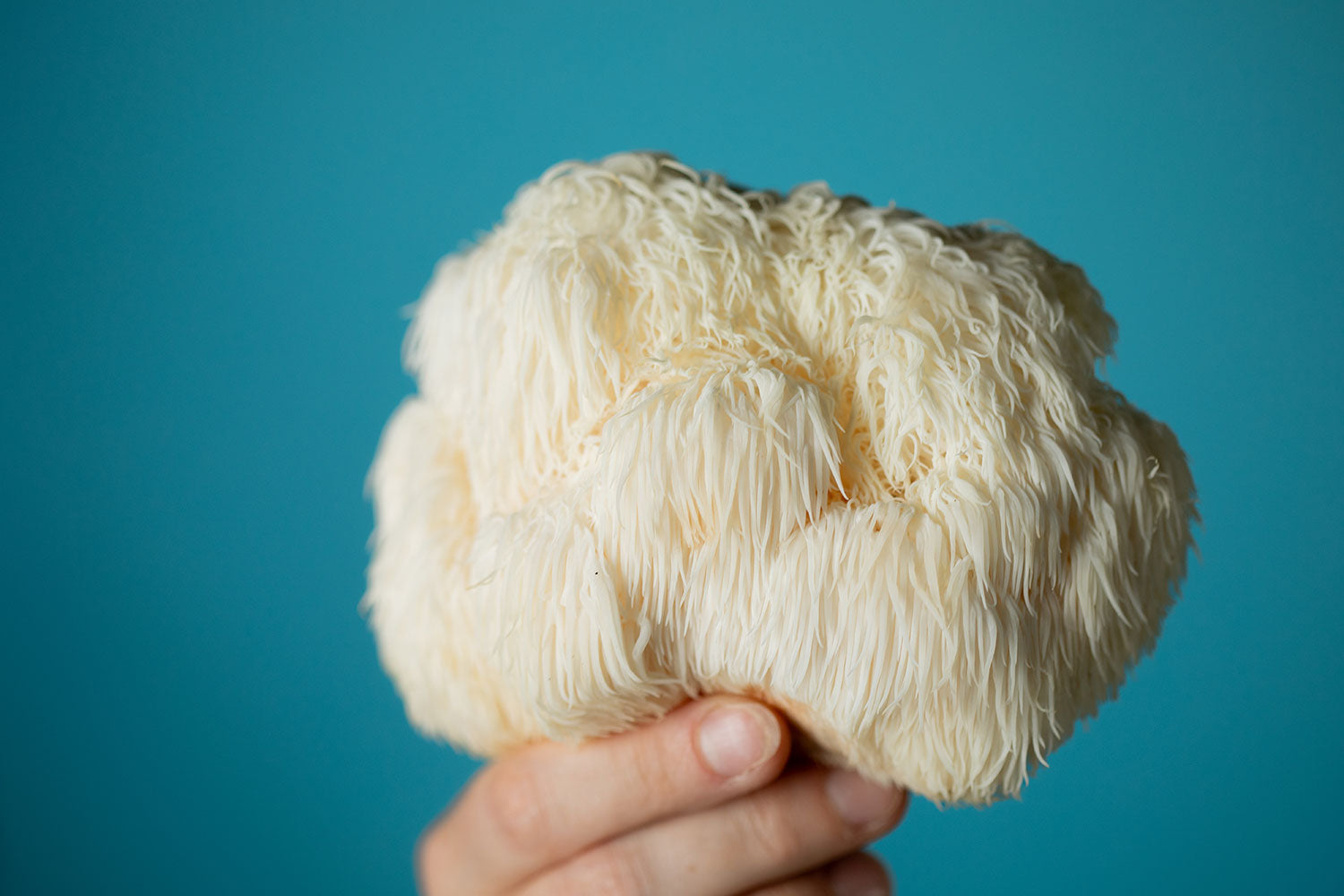
Fruiting body powder comes from the visible mushroom - the cap and stem you’d recognize in nature. This is the mature reproductive structure, and it’s often prized for naturally occurring compounds like beta-glucans, triterpenes in certain species, and other bioactive constituents tied to functional benefits.
Full spectrum powder usually means the product contains both the fruiting body and the mycelium, which is the root-like network of the fungus. In theory, that sounds like more of the mushroom, and sometimes it includes fruiting bodies but usually not. But the phrase “full spectrum” is not a strict quality standard. It can sound like a thoughtful whole-organism approach but is typically just a marketing shorthand that hides a weaker formula.
That’s the key trade-off. Fruiting body is specific. Full spectrum is broader, but broader is not always better.
Why mycelium gets so much debate
Mycelium itself is not the enemy. It contains valuable compounds and plays a real role in the life cycle of the mushroom. The problem is that it comes attached to grain and is impossible to seopearte from the grain itself. By weight, mycelium on grain or "myceliated grain" usually accounts for 99% of the mass of the powder with less than 1% being mycelium.
Many lower-cost mushroom powders use mycelium grown on grain such as oats or rice because of the huge cost savings involved. After harvest, all of that grain remains in the finished material. Most Full-Spectrum Mushroom Powders are marketed to include myceliated grain or fermented grain. While this is true, the mycelium itself accounts for very little of the final product. That can dilute the concentration of mushroom actives and increase starch content. So when shoppers think they’re getting pure mushroom, they may actually be getting a meaningful amount of leftover growth medium.
This is where real lab testing matters. Unfortunately, many full spectrum products "guesstimate" their Beta Glucan % on their website, labels and COAs and are not actually backed by confirmed standardized lab tests.
Fruiting body powders often win on clarity
If you like simple decisions, fruiting body powders are usually easier to evaluate. You know the source. You know the part used. And in many cases, you’re getting a more concentrated expression of the mushroom’s best-known compounds.
For people shopping by outcome, that clarity matters. Lion’s Mane for focus. Cordyceps for stamina. Reishi for stress support and sleep routines. Turkey Tail or Chaga for immune resilience. A fruiting body powder makes it easier to connect the ingredient to the benefit without wondering how much grain-based biomass came along for the ride.
What to look for on the label
The smartest way to shop is not by buzzword alone. Look for a few signals that tell you the powder was made for function.
First, check whether the label says fruiting body, mycelium, or both. If it says full spectrum, see if the brand explains what that actually includes.
Second, watch for fillers and vague proprietary language. "Myceliated grain" should be considered a filler due to the fact that it takes up 99% of the mass in many Full Spectrum Powders. Clean mushroom supplements should be direct about ingredients, sourcing, and testing.
Finally, pay attention to extraction. Some mushrooms are better used as extracts because it can make key compounds more available. Raw powder is not always the strongest option.
Which one should you buy?
If your priority is precision, fruiting body powders are often the stronger pick. They’re usually better aligned with shoppers who want a targeted benefit and cleaner label transparency.
For most wellness shoppers, the safest move is simple: buy the product that tells you exactly what part of the mushroom it uses, how it’s tested, and what benefit it’s built to support. That’s the difference between trendy mushrooms and mushrooms that actually earn a spot in your routine.
At Stay Wyld Organics, that standard is straightforward - organic fruiting bodies, no fillers, and functional mushrooms chosen for one clear job. Because when your supplement is built for focus, energy, sleep, stress, or immunity, you shouldn’t have to guess what’s doing the work.
The label should make the decision easier, not harder. If a mushroom powder can’t clearly tell you what part of the mushroom is inside and why it matters, keep moving.
Laisser un commentaire
Tous les commentaires sont modérés avant d'être publiés.